
SaaS Pricing Models: Per-Seat, Usage-Based, or Tiered?
SaaS pricing models decide how your revenue grows after the first sale. Three models cover most products. Per-seat pricing charges for each user. Usage-based pricing charges for what customers consume. Tiered pricing charges for a bundle of features and limits. The right choice depends on how your customer measures value. Many founders copy a rival’s […]
How to Build a Multi-Tenant SaaS Architecture (Step by Step)
To build a multi-tenant SaaS architecture, you make five decisions in order: what a tenant is, how much tenants share, how each request proves who the tenant is, how new tenants get set up, and how you protect shared resources. One codebase can then serve many customers at a lower cost. A mistake in any […]
Monolith vs Microservices for SaaS: Which Architecture Fits Your Stage?
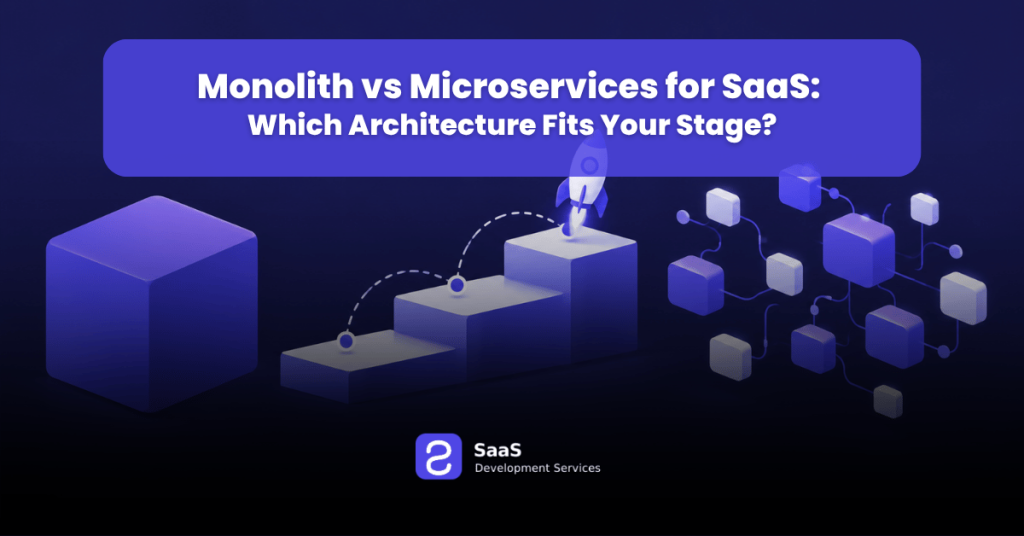
Monolith vs microservices for SaaS is a stage decision, not a matter of taste. Most early stage products should start with one monolith, move to a modular monolith as the team grows, and split into microservices only when a specific problem forces it. Three things decide the right fit: team size, how often parts of […]
How to Choose a SaaS Tech Stack for Your Product
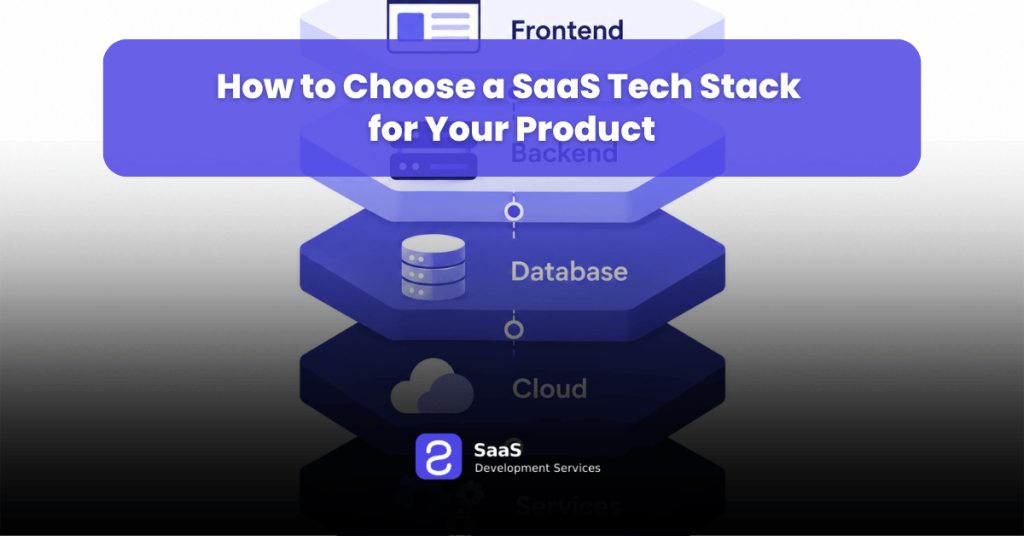
How to choose a SaaS tech stack for your product comes down to four checks. Does your team know the tools? Do they fit what the product must do? Do they meet what your customers require? Can you afford to run them? Pick proven tools that pass all four, test them on one small slice […]
AWS vs GCP vs Azure for SaaS Hosting: Full Comparison
AWS vs GCP vs Azure for SaaS hosting has a clear short answer: AWS gives the widest feature set and the most room to scale, Azure fits best with Microsoft enterprise tools, and Google Cloud leads in data analytics and AI. AWS holds 28% of the global cloud market, Azure 20%, and Google Cloud a […]
Next.js vs React for SaaS Frontend Development
Next.js vs React for SaaS frontend development comes down to one question: will people find your product through public pages, or only use it after they log in? React is a UI library that builds what users see. Next.js is a framework built on React that adds routing, server rendering, and backend routes. For most […]
How to Design a SaaS Onboarding Flow?
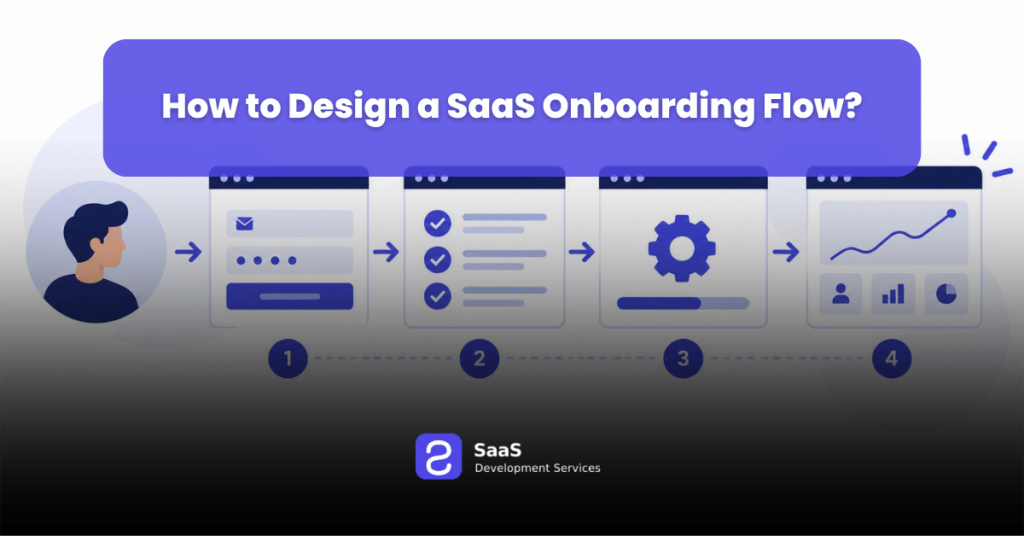
Designing an effective SaaS onboarding flow means getting a new user to their first real result as quickly and smoothly as possible. This guide covers the four building blocks behind that, sign-up, activation, in-app guidance, and follow-up messaging, with sourced benchmark data, plus two things often missing: choosing the right onboarding pattern and measuring whether […]
When to Outsource for a SaaS Startup?
Outsource for a SaaS startup when you need to launch an MVP faster than an in-house team could be hired, close a specific and finite skill gap, or free your core team from non-core technical work. The one test that decides it: can a stranger execute the task without asking you three clarifying questions? Quick […]
How to Hire a SaaS Development Team?
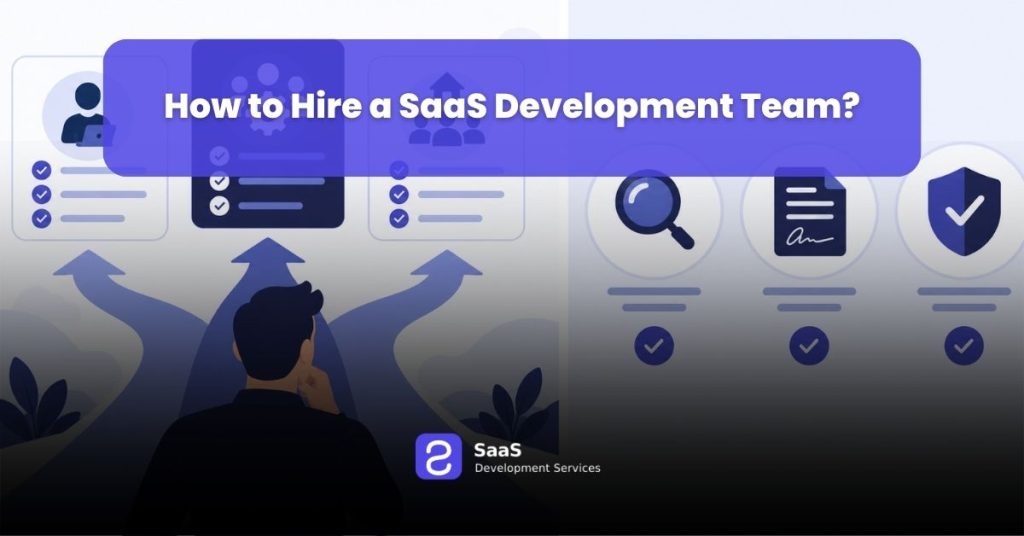
To hire a SaaS development team, first validate your product idea, set a realistic budget, and choose between three hiring models: freelancers, a dedicated agency, or an in-house team. Once you pick a model, screen candidates for real SaaS experience, run a paid test project, and check references before you sign a contract. Key Takeaways […]
How to Outsource SaaS Development Without Losing Control?

To outsource SaaS development without losing control, you need three things locked in before a single line of code is written: a documented scope, a contract that names your company as the code and IP owner, and payments tied to tested milestones instead of hours worked. Get these three right and a vendor becomes an […]